VITAMINS & SUPPLEMENTS
Incorporating vitamins into your daily routine holds significant importance. Below, we've shared the vitamins and supplements we personally favor, taking them on a weekly basis. We firmly hold the belief that what you nourish your body with holds comparable significance to your exercise routine. Our bodies may experience deficiencies in specific areas, prompting the need for supplementary vitamins. Nonetheless, it's important to note that while our experiences have led us to these choices, we aren't medical professionals. Our insights stem from years of experimentation and research with various supplements, identifying what suits us best. Should you suspect any deficiencies in your own regimen, we strongly advise seeking consultation from a qualified doctor for tailored guidance.
Listed below are the key vitamins we incorporate into our daily routine, along with the time of day to take each vitamin and explanations for why each of these vitamins offers valuable benefits for your health.
-
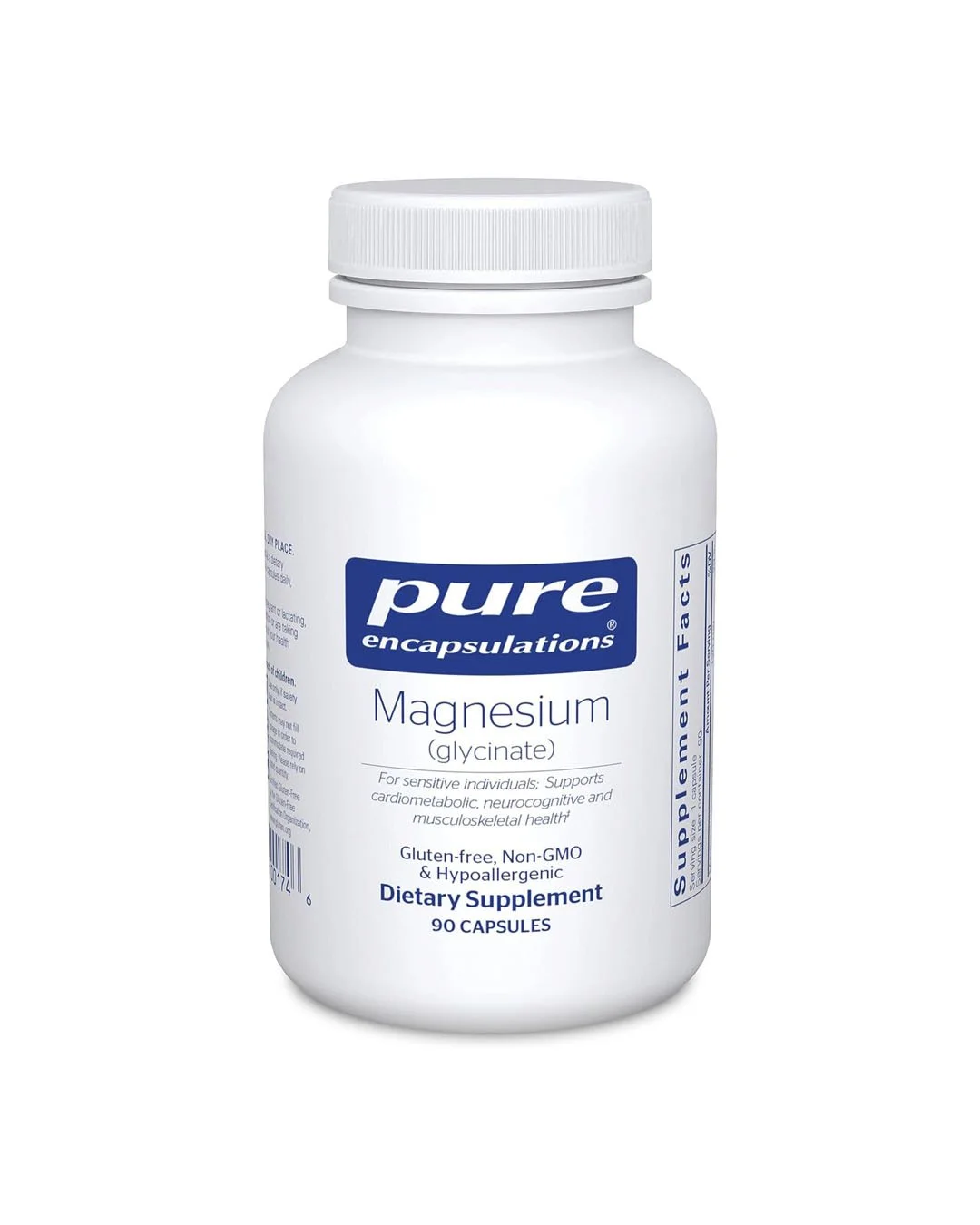
Magnesium is an essential mineral that plays a vital role in numerous bodily functions. It is involved in energy production, bone health, muscle function, and maintaining a healthy nervous system. Many women may benefit from magnesium supplementation, as deficiencies are common due to factors like stress, inadequate dietary intake, and certain medical conditions. Magnesium supplements can help support relaxation, alleviate menstrual cramps, promote better sleep, and aid in overall mood management. Also amazing for debating and aiding in digestion.
We Like to take this before bed.
-
Probiotics are beneficial bacteria that promote a healthy gut microbiome. They help maintain the balance of gut flora, which is crucial for optimal digestion, nutrient absorption, and immune function. Women may experience digestive issues, such as bloating, constipation, or yeast infections, which can be improved with probiotic supplementation. Additionally, probiotics have been linked to better vaginal health by preventing and treating bacterial vaginosis and urinary tract infections. Look for a probiotic supplement with a variety of strains and a high number of live cultures for maximum effectiveness.
Take first thing in the morning on an empty stomach.
-
A high-quality multivitamin is a convenient way for women to ensure they are meeting their nutritional needs. While a balanced diet should always be the primary source of nutrients, a multivitamin can provide added insurance, especially during periods of increased demand or dietary restrictions. It typically contains a combination of vitamins, minerals, and other essential nutrients like iron, folic acid, and vitamin D. Multivitamins can help support overall health, boost energy levels, and provide specific benefits like promoting healthy hair, skin, and nails.
Take with your lunch or dinner.
-
Sea Moss is a type of seaweed rich in essential nutrients and minerals. Consuming sea moss offers several potential health benefits. Firstly, it is a natural source of iodine, which is vital for proper thyroid function and hormone regulation. Sea moss is also known for its potential immune-boosting properties due to its high content of vitamins, minerals, and antioxidants. Additionally, it may aid in digestion and support gut health by providing prebiotic fibers that nourish beneficial gut bacteria. Sea moss is also believed to have anti-inflammatory properties and can contribute to skin health, promoting a clearer complexion and reducing the appearance of blemishes.
Best to take the in the morning or around lunch time. No later than 3pm.
-
Collagen is a protein that serves as a crucial building block for our body's connective tissues, including skin, bones, tendons, and ligaments. The benefits of collagen supplementation are diverse and can positively impact various aspects of health and well-being. Firstly, collagen is known for its ability to support skin health by promoting elasticity, hydration, and reducing the appearance of wrinkles and fine lines. It can help maintain a youthful complexion and improve overall skin texture and firmness.
Secondly, collagen plays a significant role in supporting joint health and mobility. As we age, our natural collagen production declines, leading to joint stiffness, discomfort, and increased risk of conditions like osteoarthritis. By supplementing with collagen, individuals may experience reduced joint pain, improved flexibility, and enhanced joint function. Collagen supplementation can also aid in gut health. Collagen contains specific amino acids that support the integrity and health of the digestive tract lining. It can help soothe and repair the gut, making it beneficial for individuals with conditions like leaky gut syndrome and irritable bowel syndrome (IBS).
Lastly, collagen has been found to support bone density and strength. As collagen is a major component of bone tissue, supplementation may help reduce the risk of osteoporosis and improve overall bone health.
-
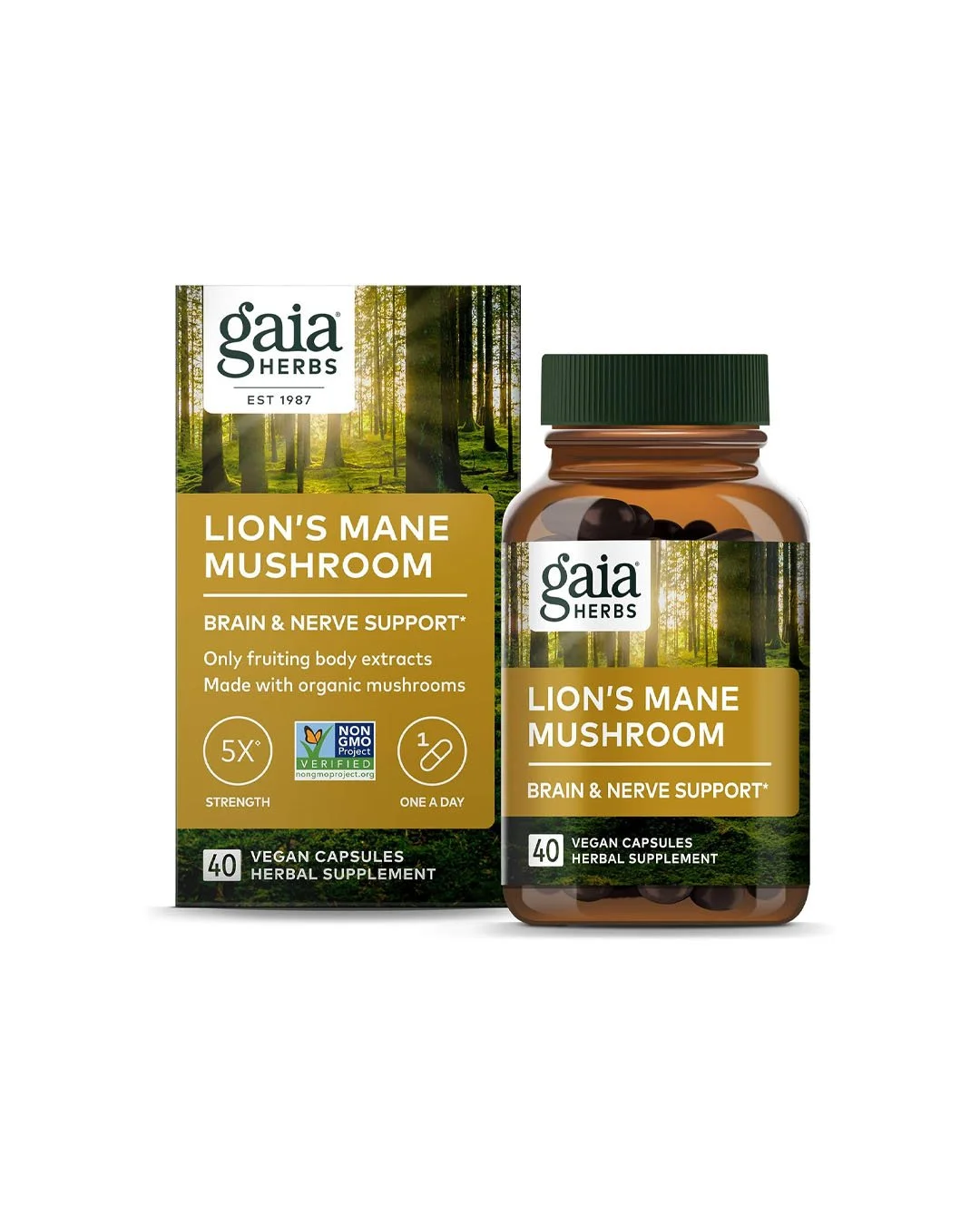
Lion's Mane is a medicinal mushroom known for its potential cognitive and brain health benefits. It contains compounds that may stimulate the growth and repair of nerve cells and enhance cognitive function. Lion's Mane supplements are believed to support mental clarity, memory, and focus. Additionally, they may help reduce symptoms of anxiety and depression. While more research is needed, Lion's Mane is gaining popularity as a natural supplement for women looking to support their brain health and overall well-being.
Best to take this when you wake up on an empty stomach.
-
Iron is a crucial mineral for women's health due to its role in transporting oxygen throughout the body. Women, in particular, have higher iron requirements due to menstrual blood loss. Iron deficiency can lead to anemia, characterized by fatigue, weakness, and impaired cognitive function. Women who experience heavy menstrual bleeding, are pregnant, or follow a vegetarian or vegan diet are more susceptible to iron deficiency. Iron supplements can help replenish iron stores and prevent anemia, but it's essential to consult with a healthcare professional to determine the appropriate dosage and avoid potential side effects.
Best to take on an empty stomach.
-
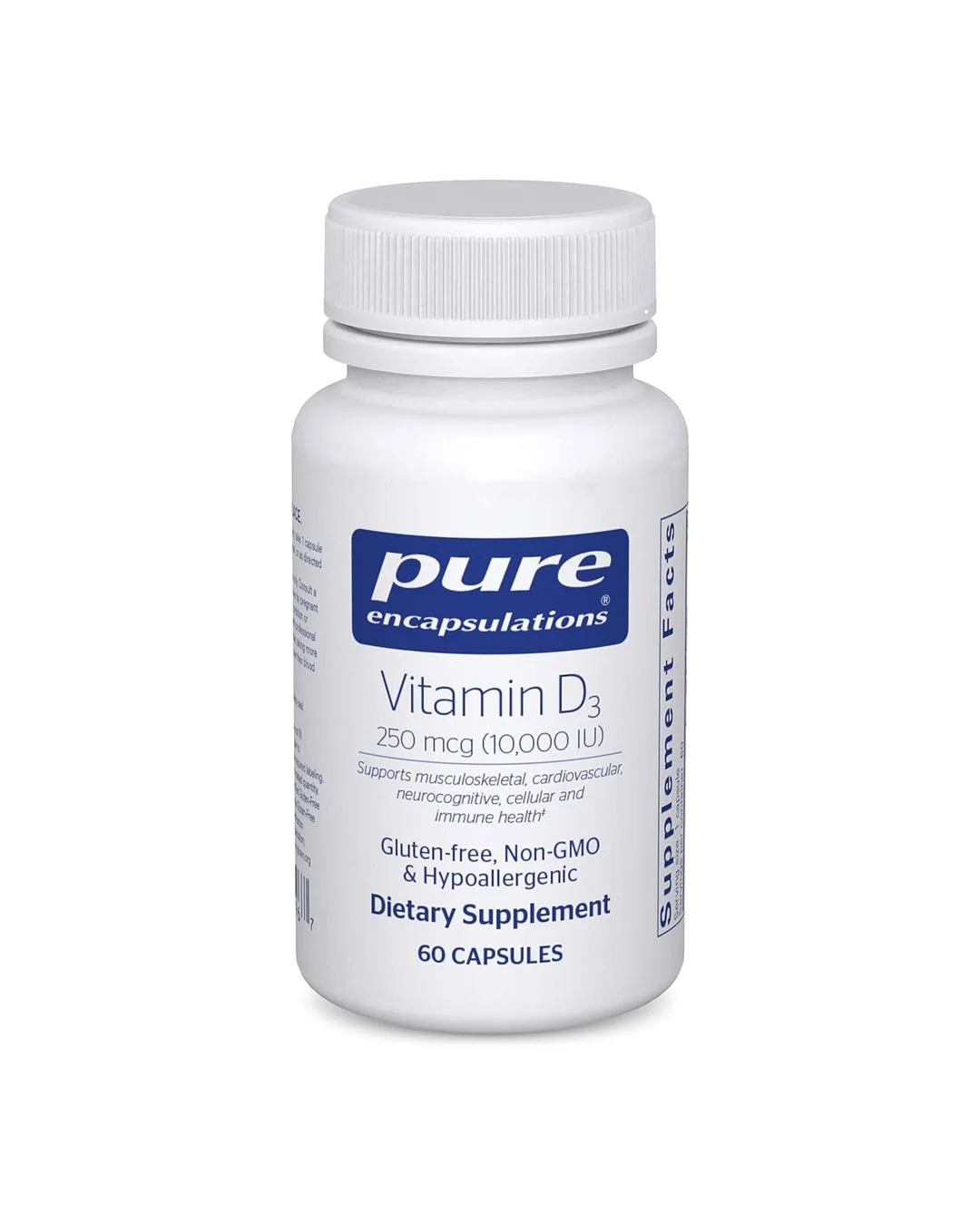
Calcium and vitamin D are vital for maintaining strong bones and preventing osteoporosis, a condition more prevalent in women. Calcium is essential for bone formation and strength, while vitamin D aids in the absorption and utilization of calcium. Together, they work synergistically to support bone health. Calcium can be obtained from dairy products, leafy greens, and fortified foods, while vitamin D is naturally synthesized in the body through sunlight exposure. However, many women may require additional supplementation, especially those with limited sun exposure or dietary restrictions.
Best to take with your breakfast or lunch.
-
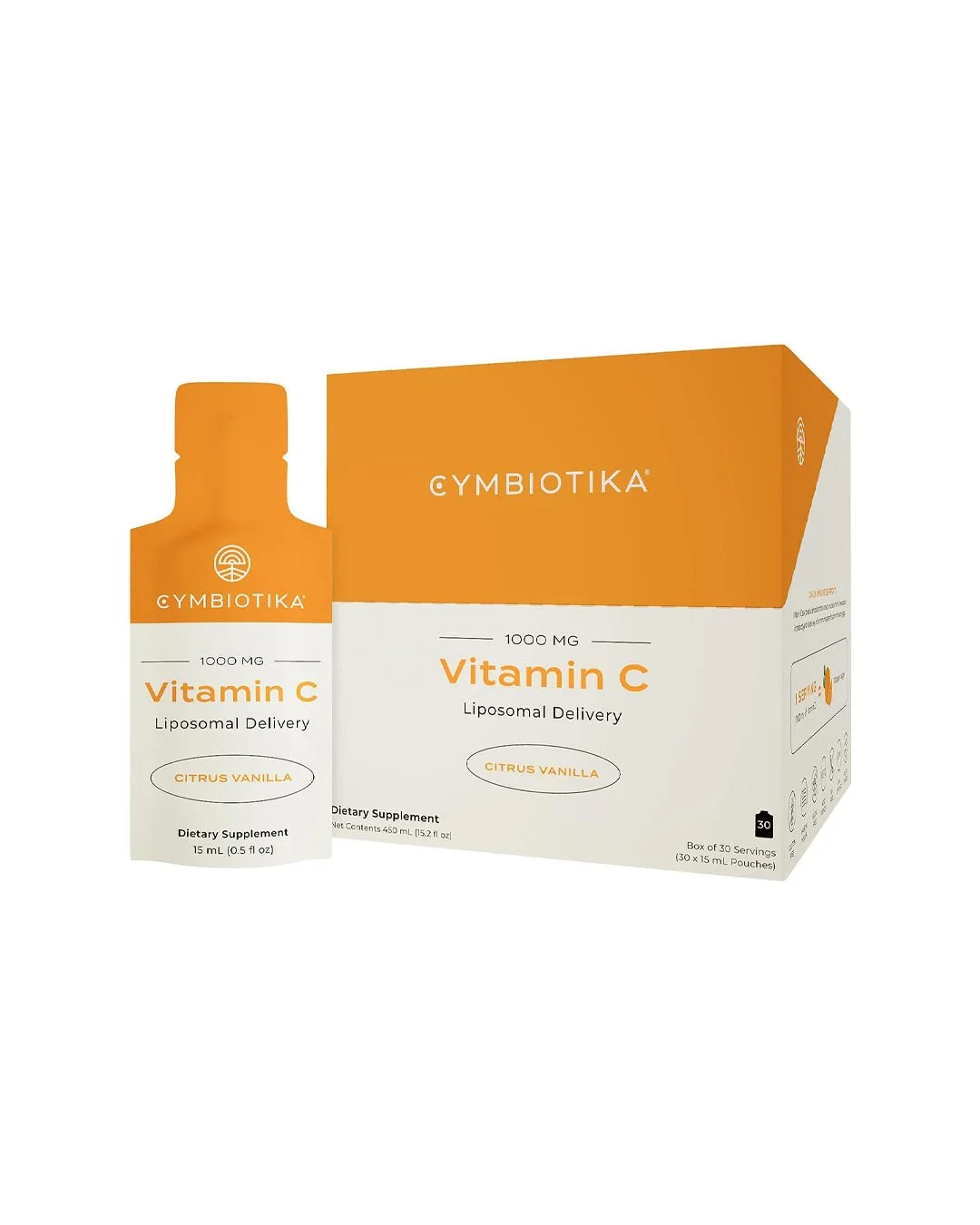
Vitamin C serves as a pivotal nutrient with a multitude of health advantages. Among its notable benefits, it boosts the immune system and potentially aids in reducing blood pressure. This vital vitamin is not synthesized within the body, necessitating external intake, yet its diverse roles are associated with remarkable health gains. Being water-soluble, it is prominently present in an array of fruits and vegetables, encompassing oranges, strawberries, kiwi fruit, bell peppers, broccoli, kale, and spinach. The recommended daily consumption stands at 75 mg for women and 90 mg for men, as indicated by a reliable source. While conventional wisdom suggests acquiring vitamin C from dietary sources, a significant number of individuals resort to supplements to fulfill their requirements.
Best to take with breakfast or lunch.
-
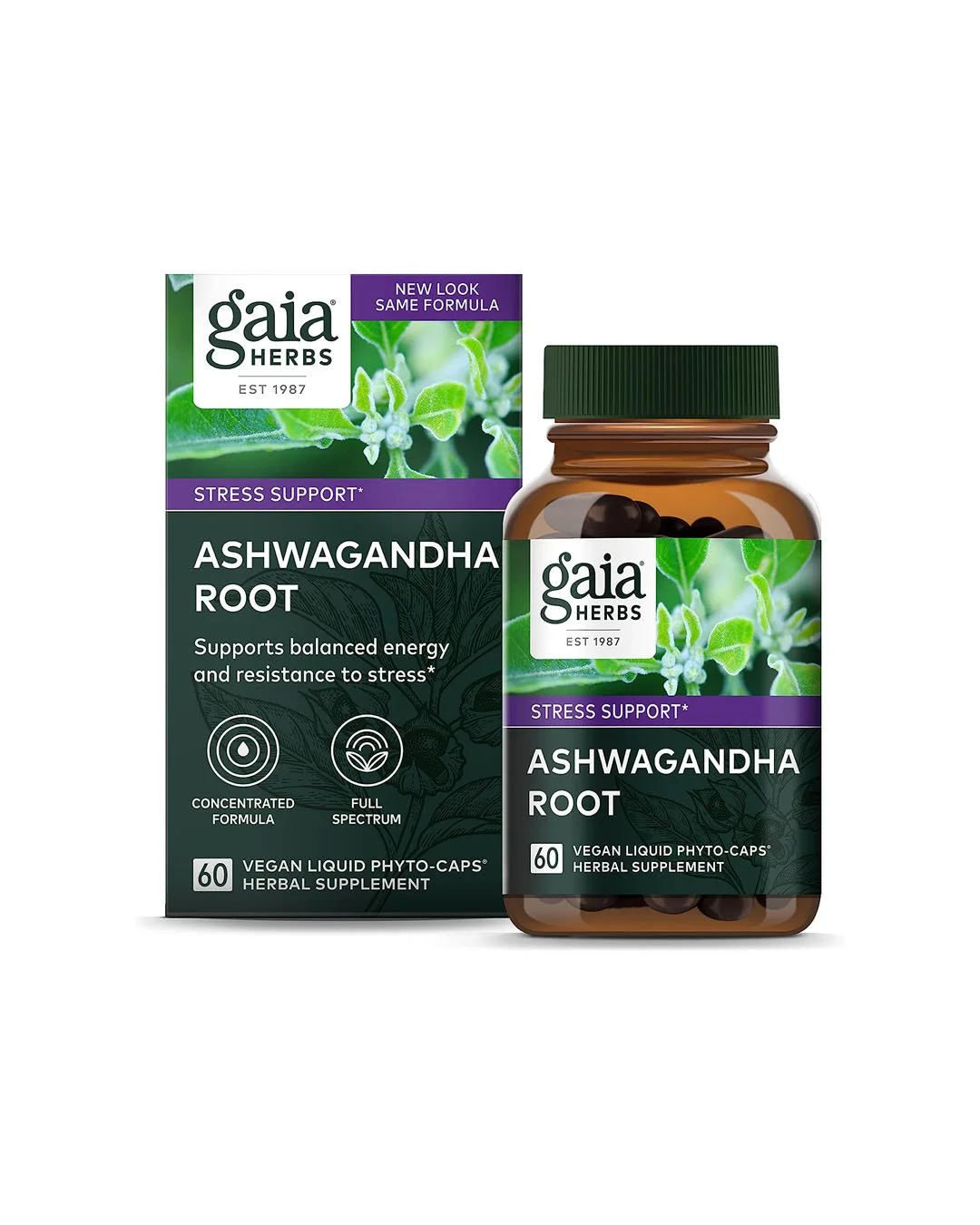
Ashwagandha is an adaptogenic herb that has been used in traditional Ayurvedic medicine for centuries. It is known for its ability to help the body adapt to stress and promote overall balance and well-being. Ashwagandha supplements are commonly used to support stress management, reduce anxiety and depression symptoms, and improve sleep quality. They may also help balance hormones, which is particularly beneficial for women dealing with hormonal imbalances, menstrual irregularities, or menopause symptoms.
Best to take before bed.
-
Omega-3 fatty acids are essential for women's health as they offer a wide range of benefits. These healthy fats, commonly found in fatty fish like salmon and sardines, or available as supplements, support heart health by reducing triglyceride levels and decreasing the risk of heart disease. Omega-3s also contribute to reducing inflammation in the body, making them beneficial for conditions like rheumatoid arthritis and menstrual pain. Moreover, they play a crucial role in brain health and can help improve mood and cognitive function, making them particularly important during pregnancy and postpartum periods.
Best to take with your breakfast or lunch.
-
Vitamin B-12 gives the body the tools it needs to convert food molecules into energy. Getting the recommended daily amount of B12 can therefore help ensure that the body is able to make the energy it needs to do everything you need it to do. B12 also helps prevent megaloblastic anemia, a blood condition that makes people tired and weak.
Best to take with your breakfast or before a workout. Not too late.
SHOP OUR FAVORITE VITAMINS AND SUPPLEMENTS!